If you are drawn to Cape Cod for water views, village character, and a quieter pace, Cotuit stands out for all three. This small Barnstable village feels deeply tied to the shoreline, with daily life shaped by beaches, harbor access, local institutions, and a rhythm that shifts with the seasons. If you are thinking about buying, selling, or simply getting to know the area better, this guide will help you understand what everyday life in Cotuit really looks like. Let’s dive in.
Cotuit at a glance
Cotuit is one of Barnstable’s smallest villages, covering about five square miles. Much of the village is bounded by water on three sides, and that peninsular setting has helped shape its history and daily life for generations.
It also has a distinct seasonal rhythm. The Cotuit Fire District describes the village as having about 2,600 year-round residents and roughly 1,600 summer residents, which helps explain why winter feels notably quieter and summer brings more activity.
According to Barnstable planning and preservation documents, Cotuit has retained a stronger seasonal summer character than other Barnstable villages. That helps give it a setting that feels historic, maritime, and village-scaled rather than fully suburban.
Beaches and water access
For many people, Cotuit living starts with the water. The village offers several public beach and access points, including Loop Beach, Ropes Beach, and Lovell’s Pond through the Town of Barnstable beach listings. The town’s Ways to Water map also identifies Oregon Beach, Cross Street, and the Cotuit Town Dock as public access locations.
Cotuit’s beach experience tends to be scenic and small-scale. Barnstable’s coastal resource planning materials describe Loop Beach as an open beach with broad views toward Dead Neck, while Cross Street is less developed and has limited parking.
That small-scale access is part of the charm, but it also means planning ahead matters. Recent town notices note parking enforcement at Loop Beach for drivers without a resident sticker, and Barnstable continues to manage seasonal beach parking through permits.
What outdoor life feels like
In practical terms, everyday recreation in Cotuit often means simple, repeatable routines close to the water. You might spend the morning at the beach, head out by boat, take a walk on a conservation trail, or stop by a dock access point to enjoy the view.
The overall lifestyle is shaped less by big commercial attractions and more by proximity to shoreline spaces. Swimming, walking, boating, shellfishing, and time outdoors are all closely tied to how many people experience the village.
Conservation land and trails
Cotuit also offers easy access to natural areas. Crocker Neck Conservation Area is a 97-acre town-owned property with about 1.5 miles of trails, plus an observation deck, picnic tables, coastal banks, wetlands, pine groves, and beach.
For those interested in barrier beach landscapes, Sampsons Island Wildlife Sanctuary is part of the undeveloped Sampsons Island and Dead Neck system. Mass Audubon notes that spring and summer access is limited in some areas to help protect nesting birds, so it is worth checking current access guidance before you go.
Village amenities and local anchors
Cotuit is not a large retail center, and that is part of its appeal. The village plan describes a small commercial core with essentials and a handful of small businesses, reflecting a place that operates at village scale.
What gives Cotuit its day-to-day texture is not a long list of shops. It is the presence of civic institutions, gathering spaces, arts organizations, and traditions that create a strong sense of continuity.
Cotuit Library and Freedom Hall
The Cotuit Library has been part of village life since 1874 and describes itself as the heart of the community. Today, its role goes beyond books to include programs, digital resources, technology help, and space for connection.
Freedom Hall is another important local anchor. The Cotuit Fire District notes that it is used for meetings, entertainment, and voting, reinforcing how village life in Cotuit still centers around shared public spaces.
Arts, history, and summer traditions
Cotuit has a cultural layer that feels larger than its size might suggest. The Cotuit Center for the Arts and Cahoon Museum of American Art add year-round interest through arts and history programming.
Summer brings another well-known tradition. The Cotuit Kettleers play 20 home games at Lowell Park from early June through August, with free admission and added community use through clinics and events.
A strong village identity
Cotuit’s identity also shows up in its local governance. The Cotuit Fire District provides separate fire and water services for the village, which reinforces Cotuit’s semi-independent identity within Barnstable.
That may sound like a small detail, but it reflects something larger. Cotuit often feels like a village with its own internal rhythm, institutions, and traditions, even while being part of the Town of Barnstable.
Home styles in Cotuit
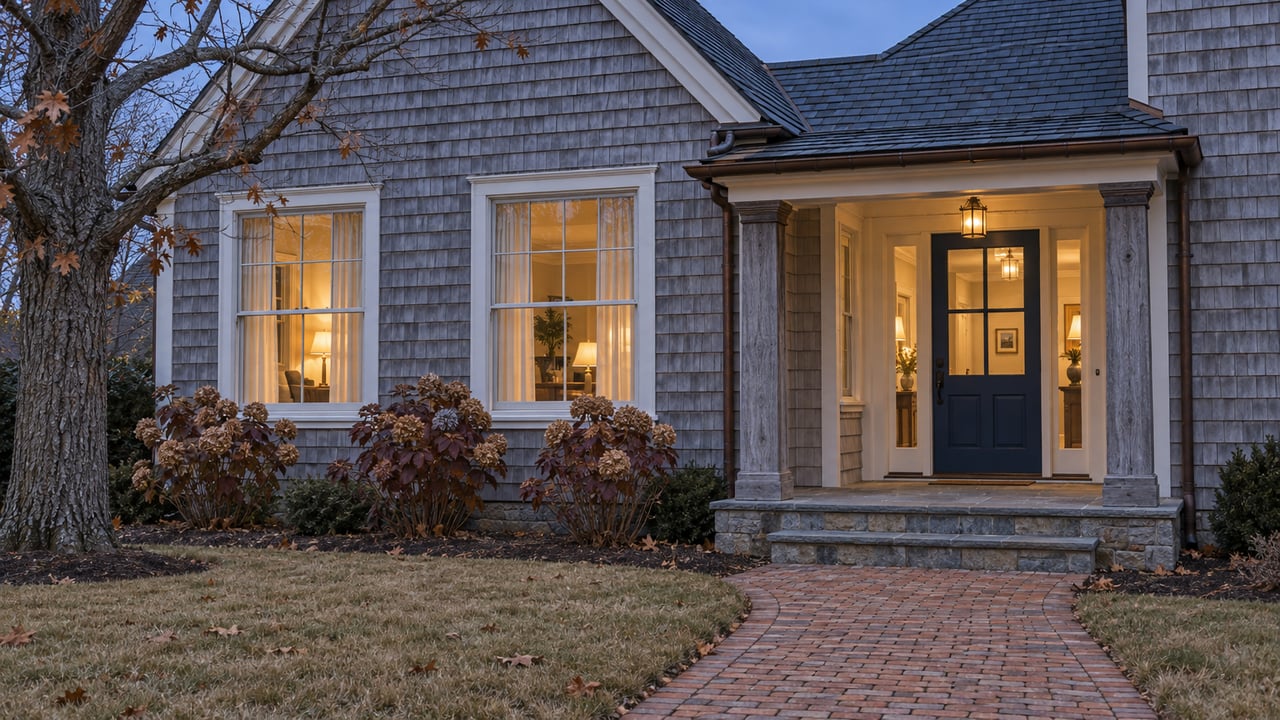
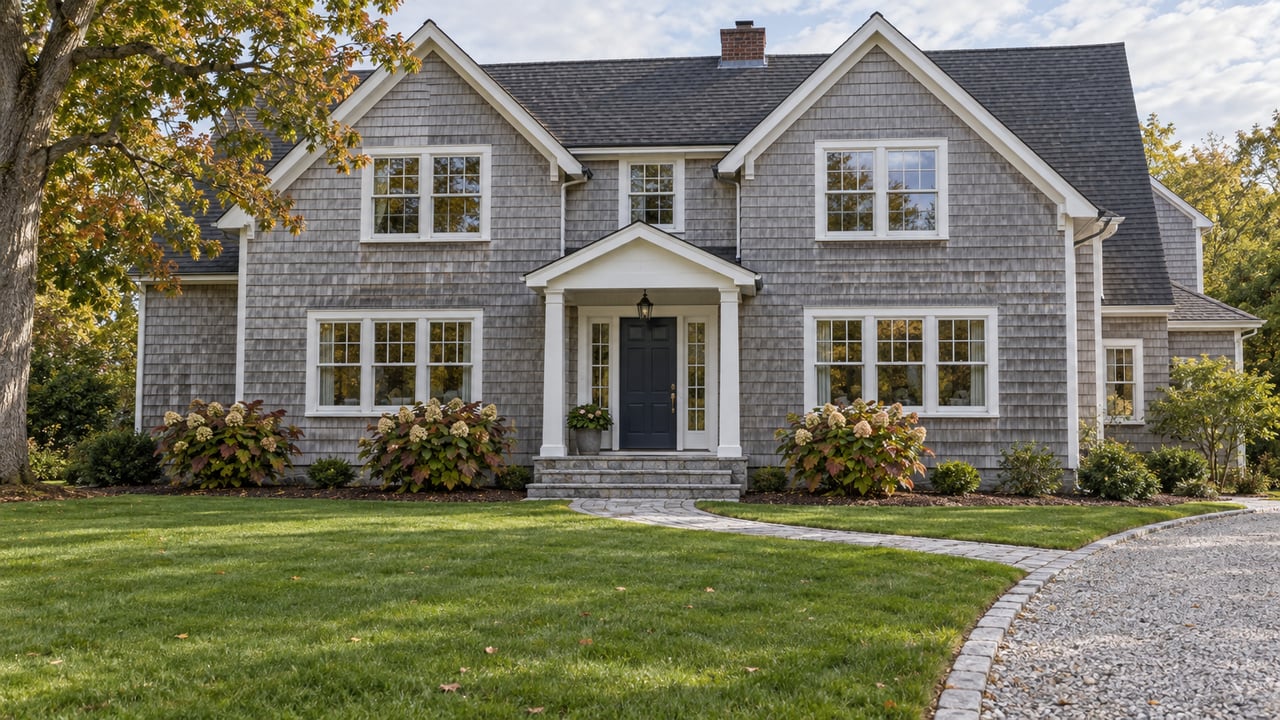
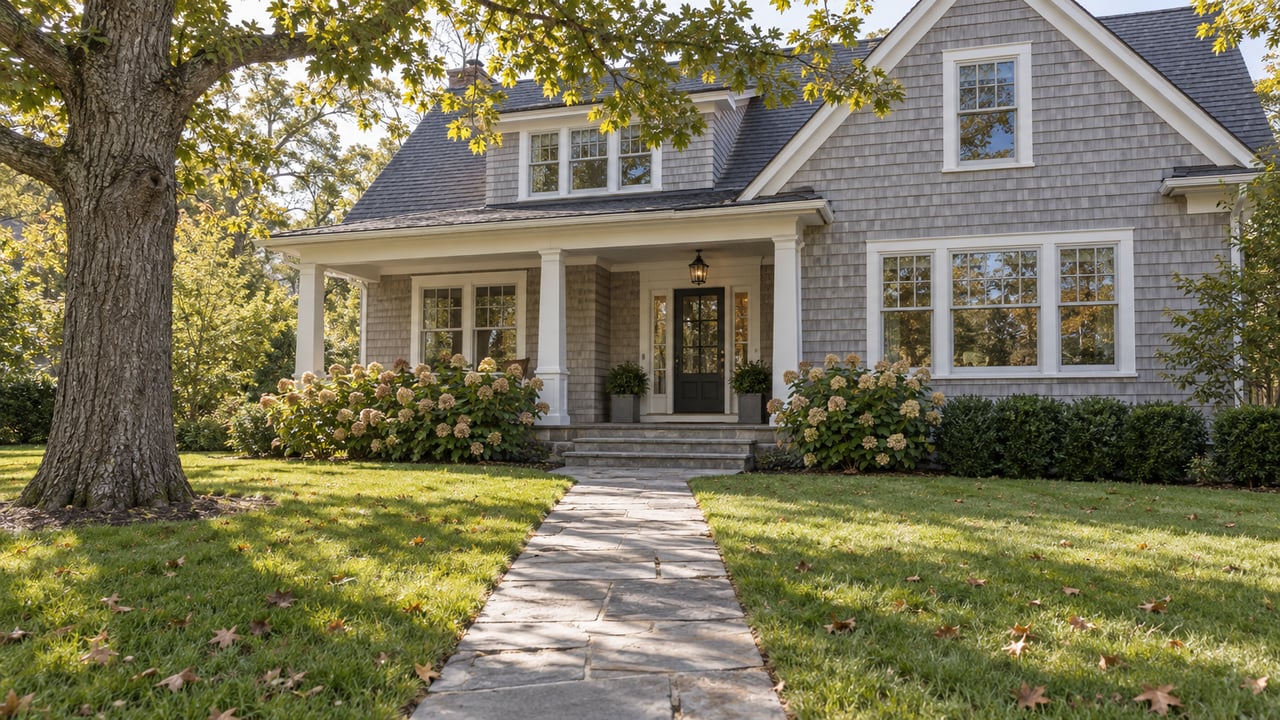
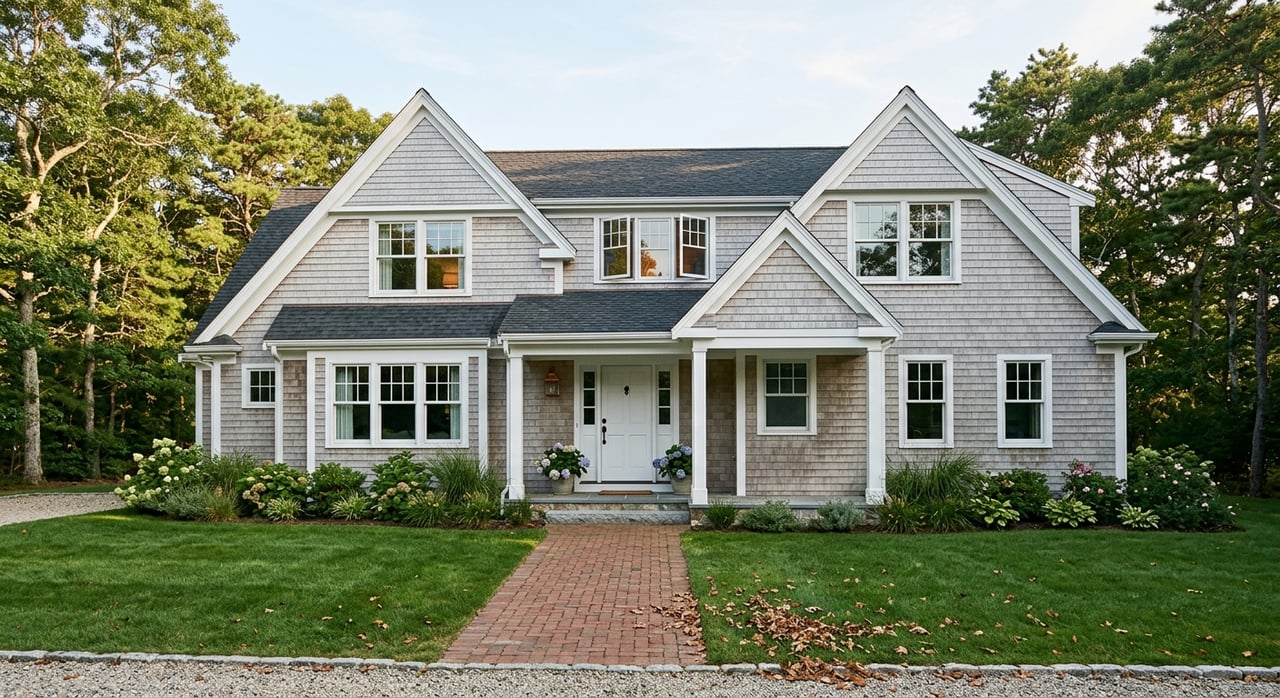
Cotuit’s housing stock is one of the clearest expressions of its history. The village is known for a built environment shaped by maritime activity, summer residency, and long-standing neighborhood patterns.
The Cotuit Historical Society notes that the historic district includes many notable homes on Main Street and nearby side streets, with strong links to sea captains and summer residents. It also describes the district as one of the larger historic districts on Cape Cod.
Historic architecture you will see
Barnstable’s preservation planning highlights a notable collection of Greek Revival homes in Cotuit’s village center. The same planning materials also point to Second Empire and Gothic Revival cottages, along with later summer homes in Queen Anne, Shingle, and Colonial Revival styles.
That mix gives Cotuit a layered look. Instead of one dominant home type, you will find a range of architectural styles that reflect different chapters of village growth.
Older cottages and newer infill
The village plan also notes that as buildable land becomes scarcer, smaller properties are sometimes replaced by newer, larger structures. As a result, you may see compact older cottages, renovated historic homes, and more recently built year-round residences on the same street.
For buyers, that means Cotuit can offer variety within a relatively small area. For sellers, it means presentation and positioning matter, especially when your home is being compared across different architectural eras and lot types.
What buyers should know about Cotuit
If you are considering a home in Cotuit, lifestyle fit is often the biggest factor. This is a village for people who value shoreline access, local character, and a setting that feels quieter and more rooted than busier commercial areas.
It also helps to know that daily convenience here looks different than it does in a larger hub. Cotuit offers village essentials and community anchors, but many errands, services, and shopping trips may still take you to nearby Barnstable villages.
For out-of-area and second-home buyers, Cotuit often appeals because it feels distinctly Cape Cod without feeling overbuilt. Its scale, history, and water access can make it a compelling option for both seasonal use and year-round living.
What sellers should know about Cotuit
If you own a home in Cotuit, your property may appeal to buyers looking for more than square footage alone. They are often responding to the combination of village setting, water-oriented lifestyle, and architectural character.
That means the story of your home matters. Historic details, access to village amenities, outdoor lifestyle features, and the home’s relationship to Cotuit’s broader character can all shape buyer perception.
It also means thoughtful preparation can make a real difference. In a village where older homes, updated properties, and newer construction may all compete for attention, strong presentation and pricing strategy are especially important.
Why Cotuit continues to stand out
Cotuit stands out because it offers a specific kind of Cape Cod living. It is not defined by large-scale development or dense retail. Instead, it is shaped by beaches, docks, conservation land, civic traditions, summer baseball, and a housing stock that still reflects its maritime and seasonal past.
For some buyers and sellers, that combination is exactly the point. Cotuit feels intimate, scenic, and grounded in place, with everyday life that stays closely connected to the water.
If you are exploring a move to Cotuit or preparing to sell a home here, local context matters. Erica Kuenzel offers calm, knowledgeable guidance for buyers and sellers across Cape Cod, with insight into village lifestyle, presentation strategy, and the details that shape smart real estate decisions.
FAQs
What is everyday life like in Cotuit, MA?
- Everyday life in Cotuit is shaped by water access, a small village center, local civic spaces, arts institutions, and a seasonal rhythm that feels quieter in winter and busier in summer.
What beaches and water access points are in Cotuit?
- Cotuit includes public access to Loop Beach, Ropes Beach, Lovell’s Pond, Oregon Beach, Cross Street, and the Cotuit Town Dock through Town of Barnstable resources.
What kinds of homes are common in Cotuit?
- Cotuit includes a mix of historic Greek Revival, Second Empire, Gothic Revival, Queen Anne, Shingle, and Colonial Revival homes, along with older cottages, renovated houses, and some newer infill construction.
Is Cotuit a good fit for year-round or seasonal living?
- Cotuit can work for both, depending on your goals, and the village is known for having a noticeable seasonal shift between a quieter off-season and a more active summer period.
What makes Cotuit different from other Barnstable villages?
- Cotuit is especially defined by its peninsular setting, strong summer-village character, maritime history, civic identity, and housing stock that reflects both historic village life and later seasonal development.