Wondering if Mashpee is the right place for your Cape Cod second home? That is a smart question to ask before you fall for a pretty coastal street or a quick summer showing. If you are buying from Boston, New York, Florida, or farther away, you need more than curb appeal. You need a clear picture of how Mashpee lives year-round, what ownership looks like from a distance, and where your lifestyle fits best. Let’s dive in.
Why Mashpee appeals to second-home buyers
Mashpee stands out because it offers a real mix of coastal lifestyle, year-round convenience, and second-home appeal. The Cape Cod Commission places Mashpee in the Mid and Upper Cape subregion, where the market serves year-round residents, vacation homeowners, and retirees.
That mix matters when you are buying a second home. Some Cape towns lean heavily seasonal, but Mashpee offers a more balanced feel. The town expands in summer, yet it still functions in the off-season in a way many buyers appreciate.
Mashpee’s housing profile also supports that second-home story. The town has 10,691 housing units, and about 30% are used seasonally, recreationally, or occasionally. That tells you second-home ownership is a real part of the market here, not an exception.
What the market looks like in Mashpee
If you are trying to gauge budget and competition, Mashpee sits firmly in a meaningful Cape Cod price tier. The Cape Cod Commission’s housing profile shows a 2024 median home sales price of $650,000 and a 2025 figure of $699,000.
You will also find a broad range of housing types and price points. About 77% of residential properties are single-family homes, while 21% are multifamily. The town’s Housing Production Plan adds more texture, showing 68.9% of residential structures are single-family detached homes and 26.8% are condominiums.
Much of the housing stock is not brand new. The Cape Cod Commission reports that 58% of homes date from 1975 to 1999, and 19% date from 2000 or later. In practice, that means your search may include older Cape properties, established condo communities, and newer homes with larger footprints.
Mashpee areas to compare first
Choosing the right part of Mashpee is just as important as choosing the right house. For second-home buyers, lifestyle fit often comes down to whether you want a coastal resort setting, a village-centered location, or a more inland pond-focused environment.
South Mashpee and New Seabury
If your vision includes a more coastal and resort-oriented setting, South Mashpee often rises to the top of the list. Town planning history describes New Seabury as a major planned resort community in southern Mashpee, with a long-standing luxury identity.
The town’s housing plan notes that the highest median ages and incomes are concentrated in the New Seabury and Popponesset areas. That helps explain why many buyers see this part of Mashpee as one of the more upper-tier and destination-oriented sections of town.
For some second-home buyers, this is exactly the draw. You may find the setting aligns well if you want a polished coastal feel and a home base that reads clearly as a getaway property.
Mashpee Commons and the Route 28-151 corridor
If convenience matters as much as water access, start here. Mashpee’s Community Activity Center is centered around Route 28 and Route 151, and Mashpee Commons is the town’s most notable mixed-use example.
The housing profile also notes that Mashpee Village and Mashpee Commons are the only other sizable multifamily concentrations outside the Housing Authority portfolio. That can make this area especially relevant if you are considering condo ownership or want easier access to shops, services, and dining.
For a part-time owner, this location can feel practical. You may be less dependent on one beach, one marina, or one seasonal area, which can make everyday ownership simpler.
Pond-centered and inland areas
Not every second-home buyer wants a south-coast setting. Mashpee also offers pond-centered and inland options that can feel more residential and recreation-focused.
Johns Pond has a public beach and boat ramp. Mashpee-Wakeby is a 737-acre Great Pond and public resource, and Santuit Pond offers trails and a public boat launch. These locations can appeal if you enjoy freshwater recreation and want a different pace than the more coastal resort sections of town.
There is one practical caution here. The town posts beach and pond advisories, including monitoring for Mashpee-Wakeby, Ashumet, and Santuit ponds, so you should check current conditions rather than assume swimming or water use will always be available.
Condo or single-family for a second home?
For many second-home buyers, this is the biggest early decision. In Mashpee, both options are common enough to deserve serious comparison.
When a condo may make sense
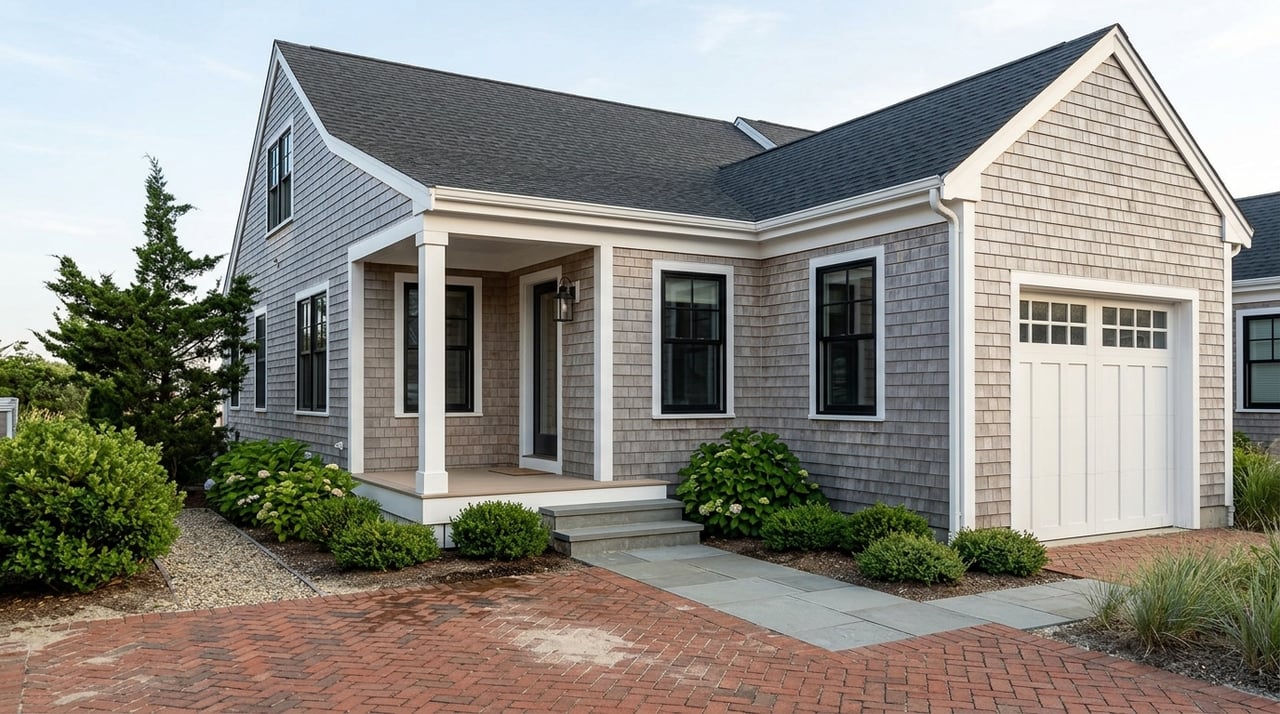
A condo can be a strong fit if you want a more compact ownership model. If you plan to use the property part-time and prefer less day-to-day exterior responsibility, condo living may feel easier to manage from a distance.
That said, simpler does not always mean hands-off. Condo ownership may include shared systems, association fees, and HOA rules, so you will want to understand exactly what is covered and what is still your responsibility.
The town’s septic guidance also notes that condo inspection rules differ by building size. That is one more reason to review the details carefully before you commit.
When a single-family home may fit better
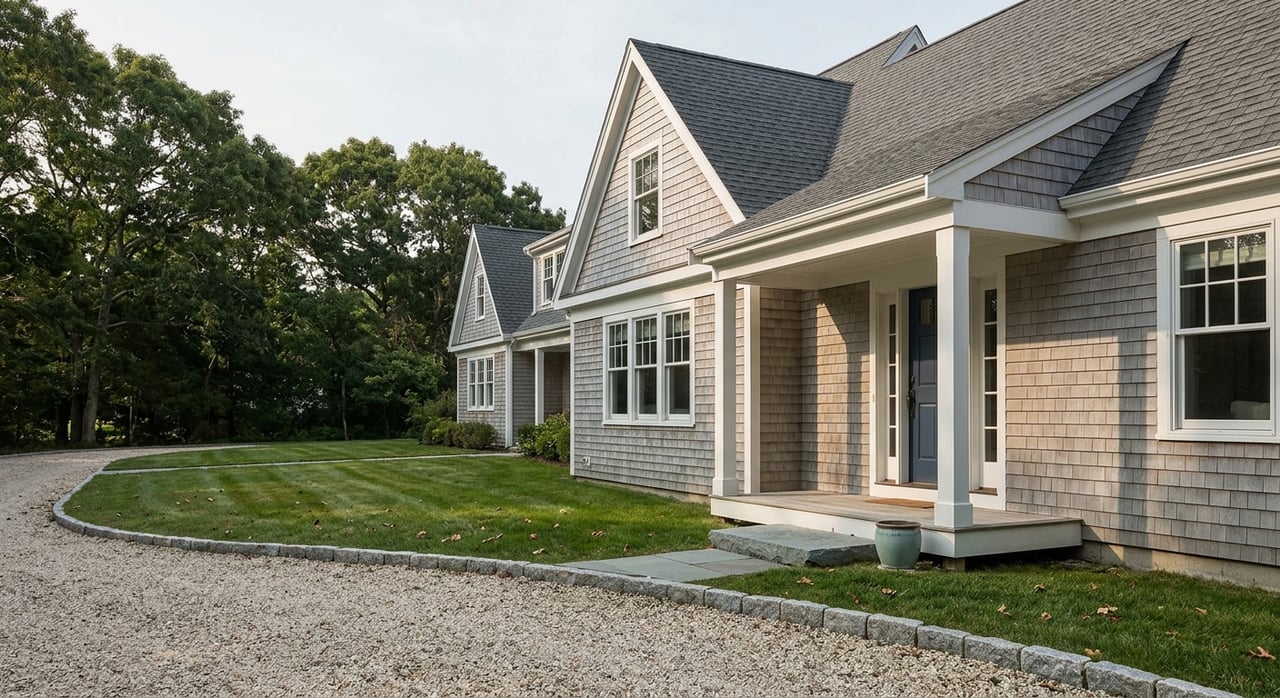
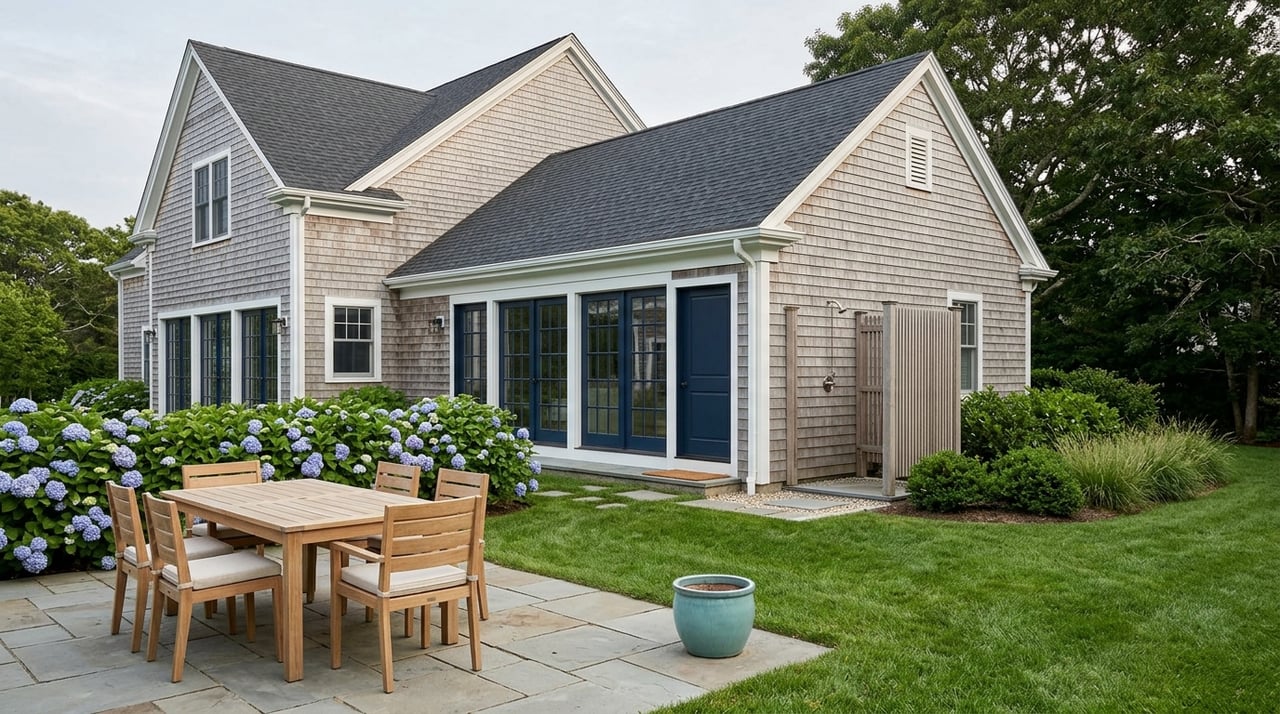
A single-family home often gives you more privacy, lot use, and flexibility. If you want outdoor space, fewer shared walls, or more room for long summer stays with family and guests, this route may feel like the better lifestyle match.
But with that flexibility comes more responsibility. In Mashpee, detached homes often leave septic, landscaping, and seasonal upkeep squarely with the owner. If you are buying from out of town, those ownership details matter just as much as the floor plan.
The town’s Housing Production Plan also helps explain the price spread you may see. Homes built since 1980 tend to be larger, and average total assessed value is over $1.2 million for homes built in the last 20 years, versus about $675,000 for homes built before 2000.
Seasonal ownership in Mashpee
Mashpee changes with the calendar, and that is important to understand before you buy. The town notes that the year-round population expands during the summer months, and employment peaks in July at 34% above February.
In everyday terms, July and August can feel very different from October, January, or April. Traffic, service scheduling, and vendor availability may all become more time-sensitive in peak season.
If you live elsewhere most of the year, plan for this early. A house that feels easy to manage in a spring showing may require more advance coordination in summer than you expect.
Permits and access to know about
Some practical details catch second-home buyers by surprise. In Mashpee, beach and transfer-station access are permit-based, and that matters for how you use and manage the property.
The town says a recreation sticker is required in summer for South Cape Beach, Attaquin Park, and John’s Pond. Mashpee residential property owners and year-round renters can buy beach stickers, while visitors can only buy weekly passes.
The transfer station also requires a sticker for household trash and recyclables. Each household is allowed two transfer-station stickers, and the town allows stickers to be ordered online or by mail. For remote owners, that is helpful to know in advance.
Septic and sewer should be early priorities
For second-home buyers in Mashpee, septic diligence should happen early, not late. The Board of Health says septic inspections are generally required within two years before sale, and well water must be tested when a potable well serves the property.
This matters even more if you are comparing older homes or homes in different parts of town. You should confirm whether a property is on septic today, whether there are any known issues, and whether future sewer connection could affect your plans.
The sewer commission says Phase 1 is operational, Phase 1A is under construction, and Phase 2 is under construction with completion estimated for spring 2028. That does not mean every property is changing right away, but it does mean sewer status is not something to gloss over.
One more note for second-home buyers: the town states that Title 5 repair tax credits are for a principal residence, not a second home or investment property. If you are budgeting for improvements, keep that distinction in mind.
If you may rent the home later
Many second-home buyers want flexibility, even if they do not plan to rent right away. If short-term rental potential matters to you, it should be part of the search conversation from the start.
Mashpee requires short-term rental registration and inspection through PermitEyes. The town also limits occupancy to two guests per bedroom and ties bedroom count to septic capacity.
That means rental use is not just about how many beds fit in the house. Septic limits and registration requirements can directly affect how the property may be used.
What smart second-home buyers do before committing
Before you move from interested to all-in, slow down and review the ownership details that affect daily life. In Mashpee, that often means looking beyond the photos and asking the practical questions that matter after closing.
A strong checklist includes:
- Compare the feel of summer and off-season ownership
- Narrow in on the part of Mashpee that fits your lifestyle
- Review condo rules or single-family maintenance needs
- Confirm septic status, inspection timing, and sewer outlook
- Check permit-based access for beaches and the transfer station
- If rental use matters, review registration, occupancy, and septic-related limits
- Check current beach or pond advisories if water access is a major priority
The right second home should feel good in a showing, but it should also work well when you are managing it from miles away. That balance is where smart buying happens.
If you are considering a second home in Mashpee, having calm local guidance can make the process much clearer. From comparing neighborhoods to helping you evaluate septic, seasonal ownership logistics, and remote-buying decisions, Erica Kuenzel offers thoughtful Cape Cod insight and hands-on support every step of the way.
FAQs
What makes Mashpee appealing for second-home buyers?
- Mashpee offers a blend of coastal lifestyle, year-round functionality, and established second-home ownership, with about 30% of housing units used seasonally, recreationally, or occasionally.
Which parts of Mashpee should second-home buyers compare?
- Many buyers start by comparing South Mashpee and New Seabury for a more coastal resort feel, Mashpee Commons and the Route 28-151 corridor for convenience and mixed-use living, and inland pond areas for freshwater recreation and a more residential setting.
Are condos or single-family homes better for a Mashpee second home?
- It depends on your goals. Condos may offer a more compact ownership model, while single-family homes often provide more privacy, outdoor space, and flexibility but usually require more hands-on upkeep.
What should buyers know about septic in Mashpee before buying a second home?
- Septic inspections are generally required within two years before sale, well water must be tested when a potable well serves the property, and buyers should confirm whether a home is on septic now or may connect to sewer in the future.
Can you use a Mashpee second home as a short-term rental?
- Possibly, but Mashpee requires short-term rental registration and inspection, limits occupancy to two guests per bedroom, and ties bedroom count to septic capacity.
Do Mashpee property owners need permits for beaches and trash disposal?
- Yes. The town requires a recreation sticker in summer for certain beaches and parks, and a transfer-station sticker is required for household trash and recyclables.