If you are drawn to Cape Cod but want more than a generic beach-town label, Falmouth stands out quickly. This is a town of distinct villages, varied shoreline access, and neighborhoods that feel different from one end of town to the other. Whether you are thinking about buying, selling, or simply narrowing your search, understanding how Falmouth’s beaches and village areas connect can help you make a more confident move. Let’s dive in.
Why Falmouth Feels So Varied
Falmouth sits on the southwest tip of Cape Cod, and town sources describe it as an eight-village community with roughly 68 to 70 miles of shoreline. Those villages are Woods Hole, Falmouth Village, West Falmouth, North Falmouth, East Falmouth, Teaticket, Hatchville, and Waquoit. Town materials also call out Davisville and Quissett as especially distinct districts within the broader map.
That variety shapes how the town lives day to day. Some areas feel centered around a village core, some around harbor edges, and others around neighborhood streets near the water. Falmouth also has 10 beaches in total, including nine oceanfront beaches and Grew’s Pond, so your experience can shift quite a bit depending on where you land.
Beach Access Matters in Falmouth
Not every beach in Falmouth works the same way. Current town listings show that some beaches are easier for the public to visit, while others are more tied to neighborhood or sticker-based access. That difference is useful if you are trying to picture your routine, your summer use, or what buyers may value in a specific area.
Public-facing options include Surf Drive, Menauhant East, and Old Silver Public. Other beaches, including Falmouth Heights, Chapoquoit, Megansett, and Wood Neck, are tied to sticker parking. Several locations also offer features like bathhouses, shower towers, ramps, walkways, or access mats, which adds another layer to how convenient a beach day may feel.
Falmouth Village and the In-Town Beach Corridor
Why buyers notice this area
If you want a beach-adjacent setting without giving up an in-town feel, the Falmouth Village corridor is often the clearest match. The historic district includes the commercial and institutional core along with nearby residential streets, and the Village Green and Main Street help anchor that classic center-of-town feel.
The architecture here reflects a long history. Town materials describe Colonial and Federal buildings alongside Greek Revival, Italianate, Gothic Revival, Stick, Shingle Style, and Colonial Revival homes and structures. For buyers and sellers alike, that helps explain why this part of town often feels layered, established, and visually varied.
Beaches near the village center
Surf Drive Beach is the most direct town-center beach. It is listed by the town at 56 Surf Drive with public access, and town parking information notes amenities that include a bathhouse, shower tower, and access mat.
Falmouth Heights Beach is also nearby at 261 Grand Avenue, with a ramp or walkway and shower tower. Bristol Beach sits in the same broader corridor, creating one of the easiest parts of town for pairing beach time with village amenities.
Lifestyle fit in this section of town
This is also where the Shining Sea Bikeway becomes part of everyday life. The bikeway runs 10.7 miles from Woods Hole to North Falmouth through four villages and passes the Surf Drive area, giving this corridor a strong connection to recreation and local movement.
If you are drawn to walkability, village energy, and close proximity to the shoreline, this area tends to offer that combination. It is worth noting that town coastal-resilience materials identify Surf Drive and nearby Falmouth Heights as places with flooding and erosion concerns, so location-specific due diligence matters here.
West Falmouth and North Falmouth
A quieter bayside rhythm
On the west and north side of town, the mood changes. West Falmouth is described as a three-mile linear district along Route 28A, with residential, commercial, and institutional buildings near the road and agricultural land still in use. Instead of a dense beach-strip feeling, it reads more like a historic road village with shoreline access nearby.
North Falmouth has a similar sense of space. Town materials describe it as a semi-rural linear village along Old Main Road, with a quieter and less densely built character than the in-town Falmouth Village area.
Beaches in this part of town
This cluster includes Chapoquoit Beach in West Falmouth, Old Silver and Megansett in North Falmouth, and Wood Neck in Sippewissett. According to town parking information, Chapoquoit, Megansett, and Wood Neck are sticker-parking beaches, while Old Silver includes both public and reserved sides and offers features such as a bathhouse, ramp, and access mat.
That mix creates a meaningful distinction. Some beaches here feel more neighborhood-based and residential, while Old Silver is a more widely known destination with broader public visibility.
Home patterns and feel
The housing story helps explain the character. A 2014 town housing study found that Old Silver Beach had a particularly high share of second homes, while West Falmouth and North Falmouth were more mixed.
In practical terms, this side of Falmouth often feels like a blend of year-round village streets, beach houses, and summer-oriented homes. If you want a setting that feels calmer, more spread out, and closely tied to bayside living, this part of town often stands out.
Woods Hole and Quissett
Harbor setting with a distinct identity
Woods Hole has one of the most recognizable identities in Falmouth. The historic district includes late-18th-century Federal homes along Woods Hole Road, 19th-century Greek Revival and Victorian-era buildings along Water and School Streets, and larger late-Victorian summer cottages on Nobska and Juniper Points.
Town sources also note Woods Hole’s role as home to major research institutions and the ferry gateway to Martha’s Vineyard. That gives the village a unique blend of working-waterfront activity, science-focused institutions, and visitor traffic.
Coastal feel in sheltered waters
Stoney Beach is located in Woods Hole, and Quissett offers a similarly sheltered-water appeal. Town materials describe Quissett as a harbor-side district that evolved into a summer colony of large late-19th- and early-20th-century cottages around protected harbor waters.
For some buyers, this is the most compelling contrast to the more open beach corridors. It tends to feel more tucked away, more harbor-oriented, and more specialized in character.
A more concealed coastal option
The same 2014 housing study found especially high second-home shares in Woods Hole and Quissett. That pattern supports what many people sense when they spend time there: these areas can feel more seasonal, more private in rhythm, and more tied to a very specific coastal setting.
If you are looking for a quieter shoreline environment with historic depth and a protected-water atmosphere, Woods Hole and Quissett deserve a closer look.
East Falmouth, Menauhant, Teaticket, and Waquoit
More neighborhood-based coastal living
East Falmouth tells a different story from the older village cores. A town workbook describes it as Falmouth’s agricultural heartland, located between the Coonamessett and Childs Rivers, with much of its farmland converted over time to residential and commercial use.
That background matters because it helps explain the layout. Instead of a single concentrated village center, this side of town often feels more like a network of neighborhoods close to the water.
Menauhant and nearby coastal sections
Menauhant Beach East and West are both located on Menauhant Road in East Falmouth. Town listings show that the east side allows public parking, while the west side is sticker parking.
Town infrastructure planning also points to a dense residential corridor in this area. The Little Pond Sewer Service Area project connected about 1,350 properties across the Maravista peninsula, the eastern portion of Falmouth Heights, and Teaticket Highway, reinforcing the idea of a built-out shoreline neighborhood pattern.
Year-round homes and second-home pockets
The housing study helps separate the subareas. Menauhant and Maravista leaned more heavily toward second homes, while East Falmouth and Teaticket had larger shares of primary residences.
That makes this side of Falmouth appealing for a broad range of buyers. You may find beach cottages, year-round homes, and more suburban neighborhood streets, often within a relatively short distance of the shore.
Waquoit and Davisville
Waquoit stands out for its more semi-rural village character. The historic district includes late-18th- and 19th-century homes and the Waquoit Congregational Church, with local development tied historically to Waquoit Bay, nearby rivers, and agricultural and maritime activity.
Davisville, located in East Falmouth, adds another layer. Town materials describe it as a small linear village leading to Davisville Beach, with modest 19th-century farmhouses and cottages, later Colonial Revival homes, and an early-20th-century wave of summer-resident updates and infill.
What Homes Generally Look Like
Townwide, a 2014 housing study found that 88.7% of residential parcels in Falmouth were single-family homes. Condominiums made up 5.8%, while two- and three-family parcels accounted for 2.7%.
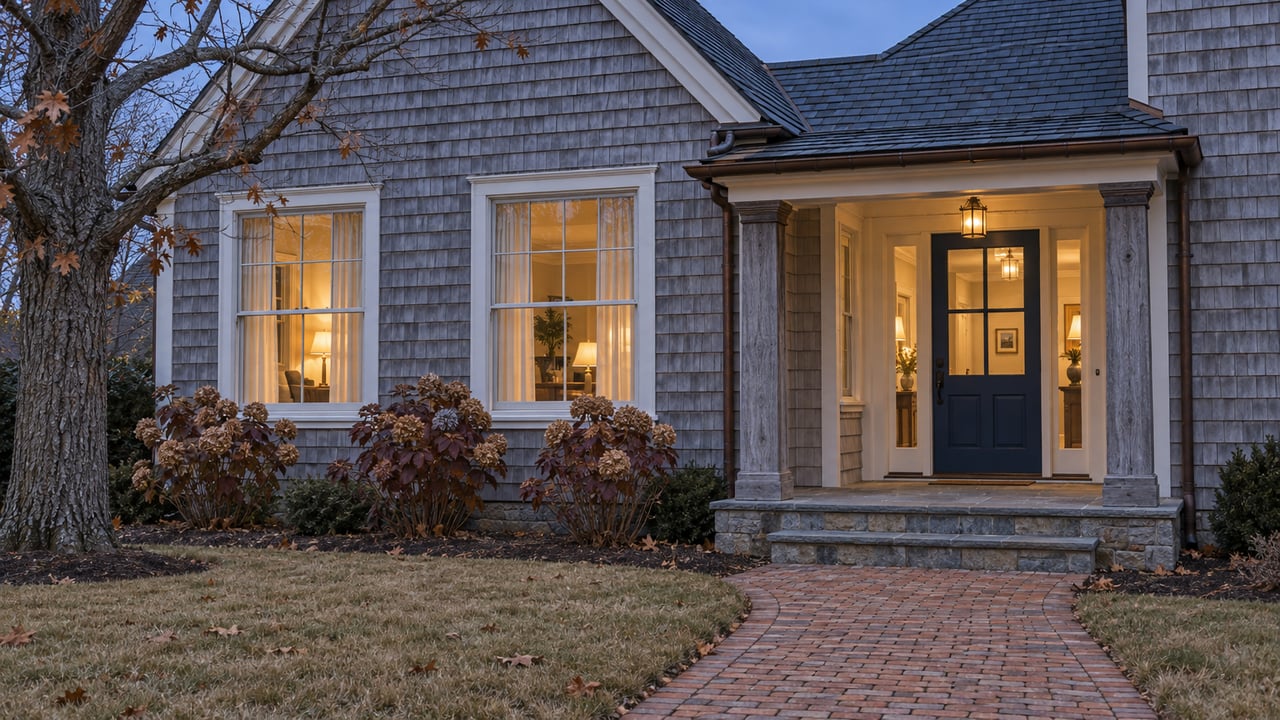
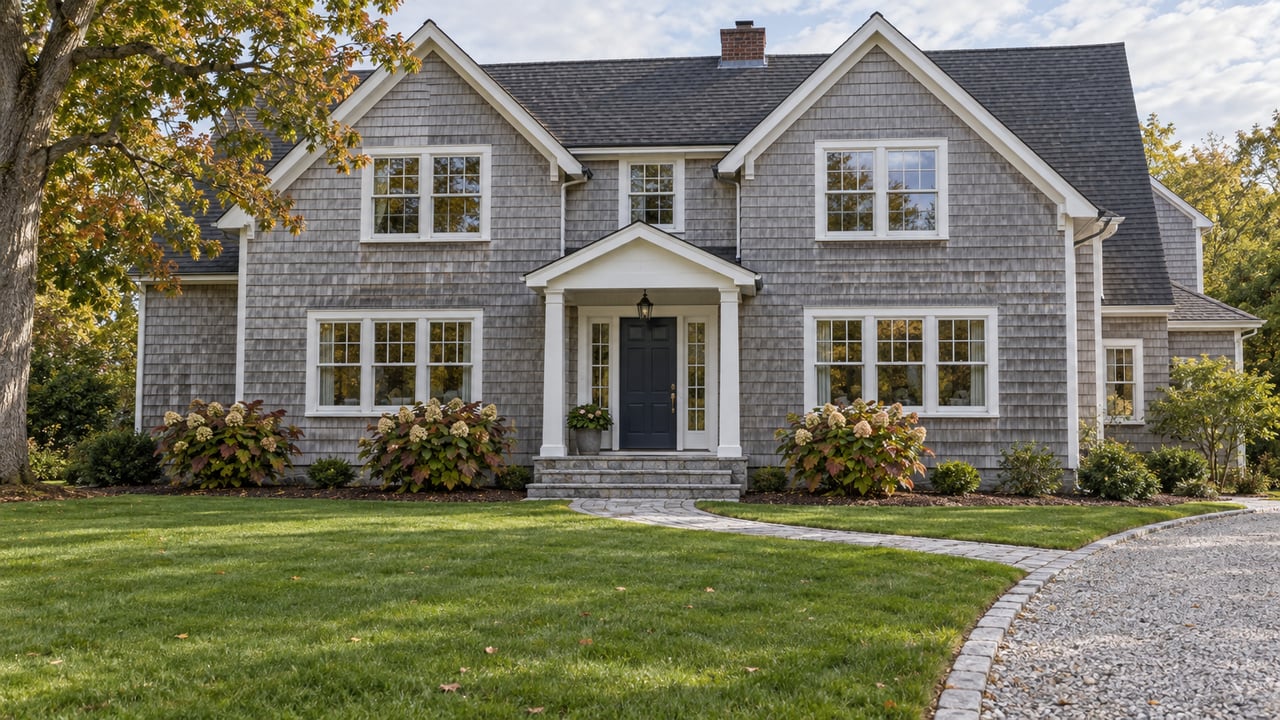
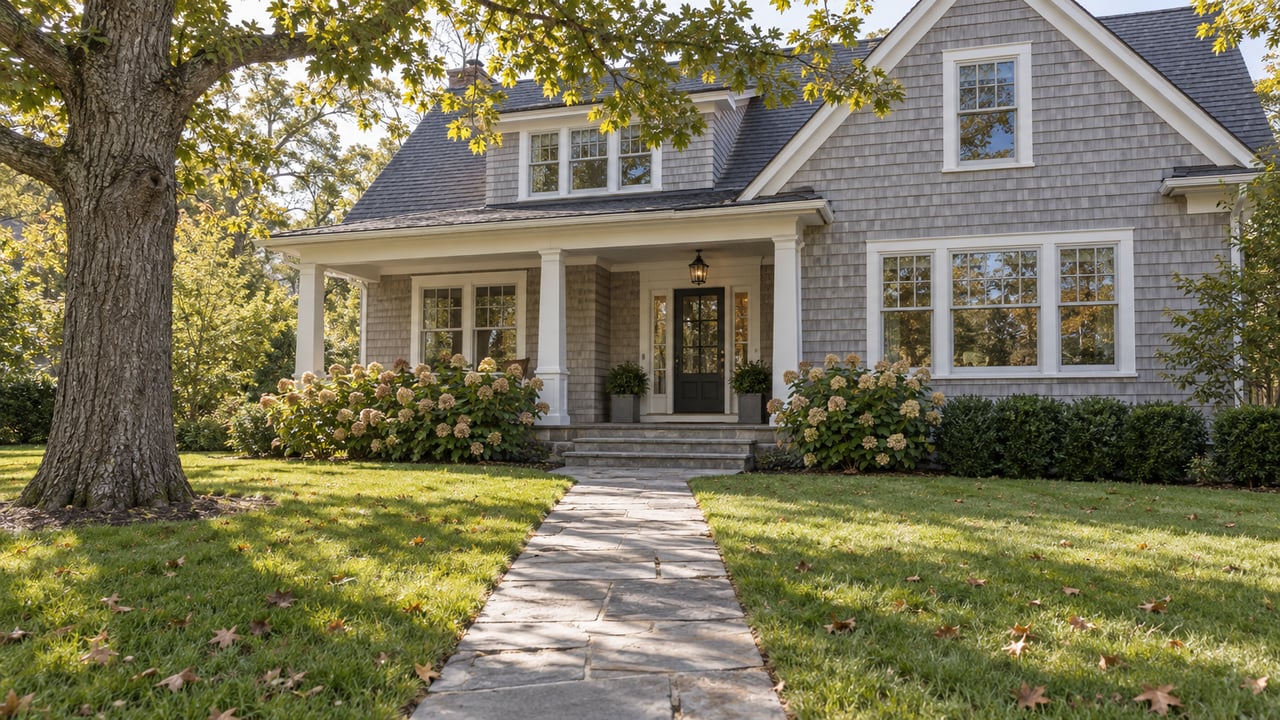
Architecturally, Falmouth’s districts are shaped by Federal and Greek Revival buildings, with later Victorian, Shingle, Bungalow, Four Square, Colonial Revival, and Cape forms also common. In everyday terms, that often translates into four broad patterns:
- Historic village homes near Main Street and village greens
- Older Cape and Colonial-style homes in linear villages like West and North Falmouth
- Cottages and summer houses near harbors and beaches
- More neighborhood-based year-round homes in East Falmouth, Teaticket, Maravista, and parts of Menauhant
How to Think About Falmouth as a Buyer or Seller
One of the best ways to understand Falmouth is as a spectrum. Some locations are village-center and beach-adjacent. Others are harbor-edge, semi-rural, or tucked into residential shoreline neighborhoods.
That is important if you are buying because the right fit is often about more than being near water. It is about whether you want public beach access, a more residential setting, an in-town rhythm, or a quieter harbor feel.
It is just as important if you are selling. In Falmouth, the story of a home often depends on how clearly its location is positioned within the town’s beach-and-village map. A home near Surf Drive, a property in West Falmouth, and a cottage closer to Quissett may all speak to very different buyers.
If you are weighing where to focus your search, or how to position a home for sale, local context makes a real difference. For thoughtful guidance on Falmouth and the surrounding Cape Cod villages, connect with Erica Kuenzel.
FAQs
What villages make up Falmouth, Massachusetts?
- Town sources describe Falmouth as an eight-village community made up of Woods Hole, Falmouth Village, West Falmouth, North Falmouth, East Falmouth, Teaticket, Hatchville, and Waquoit.
Which Falmouth beaches have public access?
- Current town listings show public access at Surf Drive, Menauhant East, and the public side of Old Silver Beach.
What is the most walkable beach area in Falmouth?
- The Falmouth Village and Surf Drive corridor is the strongest match if you want beach access connected to Main Street, the Village Green, and the Shining Sea Bikeway.
How long is the Shining Sea Bikeway in Falmouth?
- Town sources describe the Shining Sea Bikeway as a 10.7-mile route running from Woods Hole to North Falmouth through four villages.
What types of homes are common in Falmouth?
- Town data shows that single-family homes make up most residential parcels, and common local housing patterns include historic village homes, Cape and Colonial-style houses, summer cottages, and neighborhood-based year-round homes near the shore.