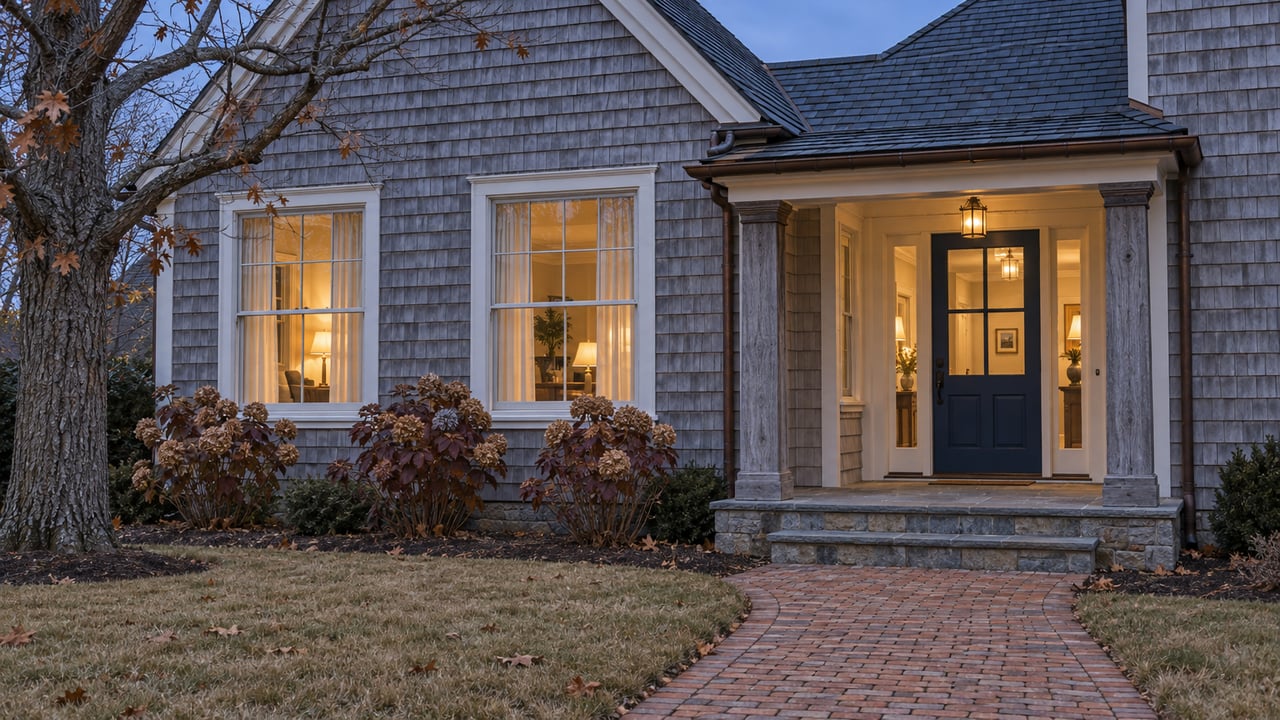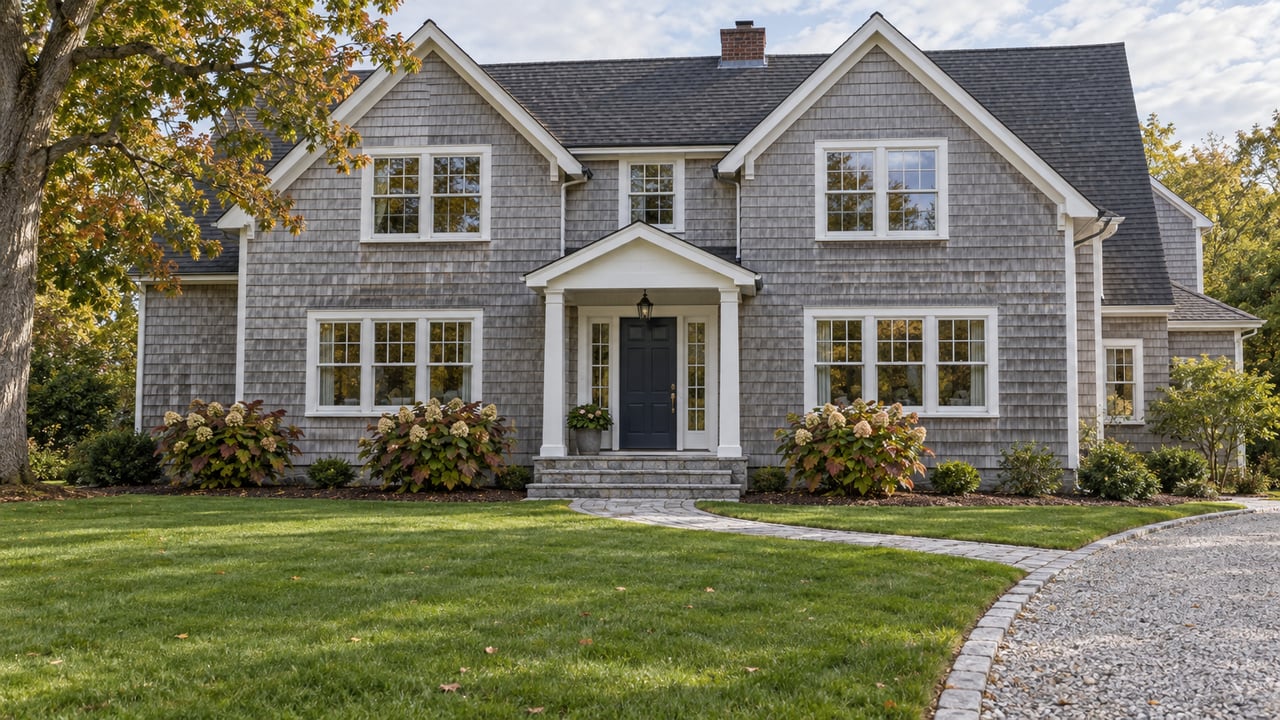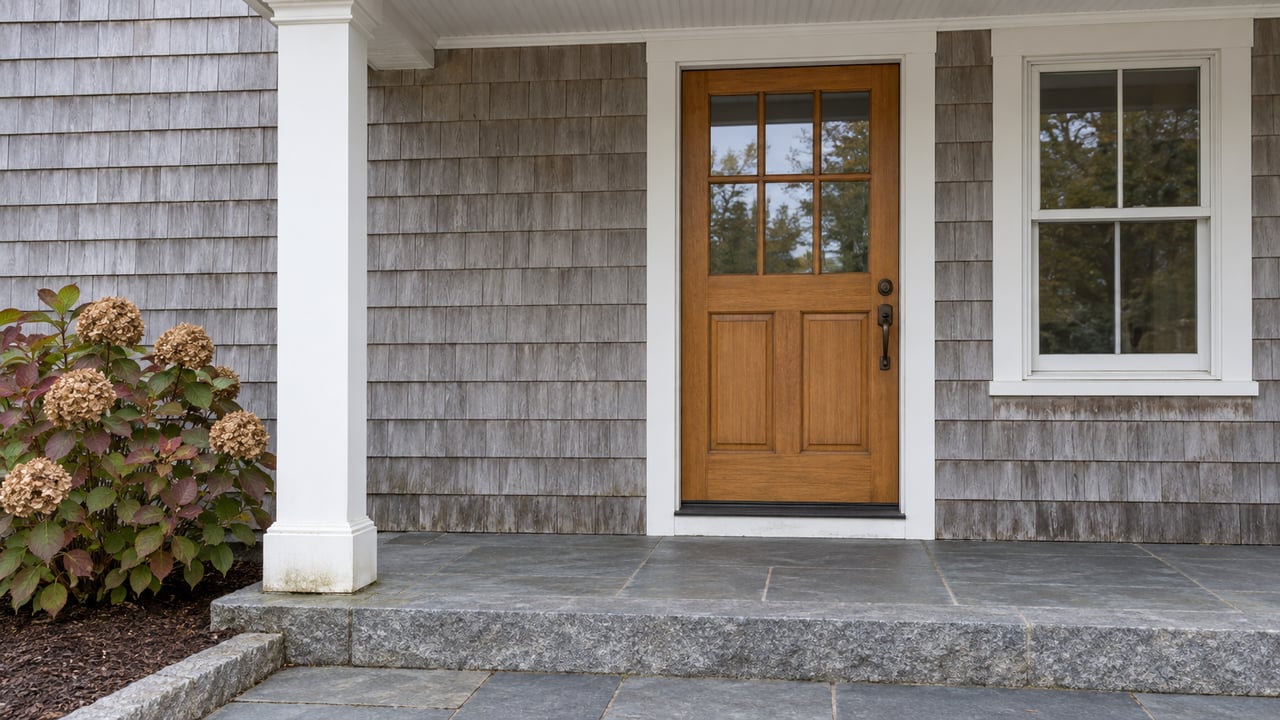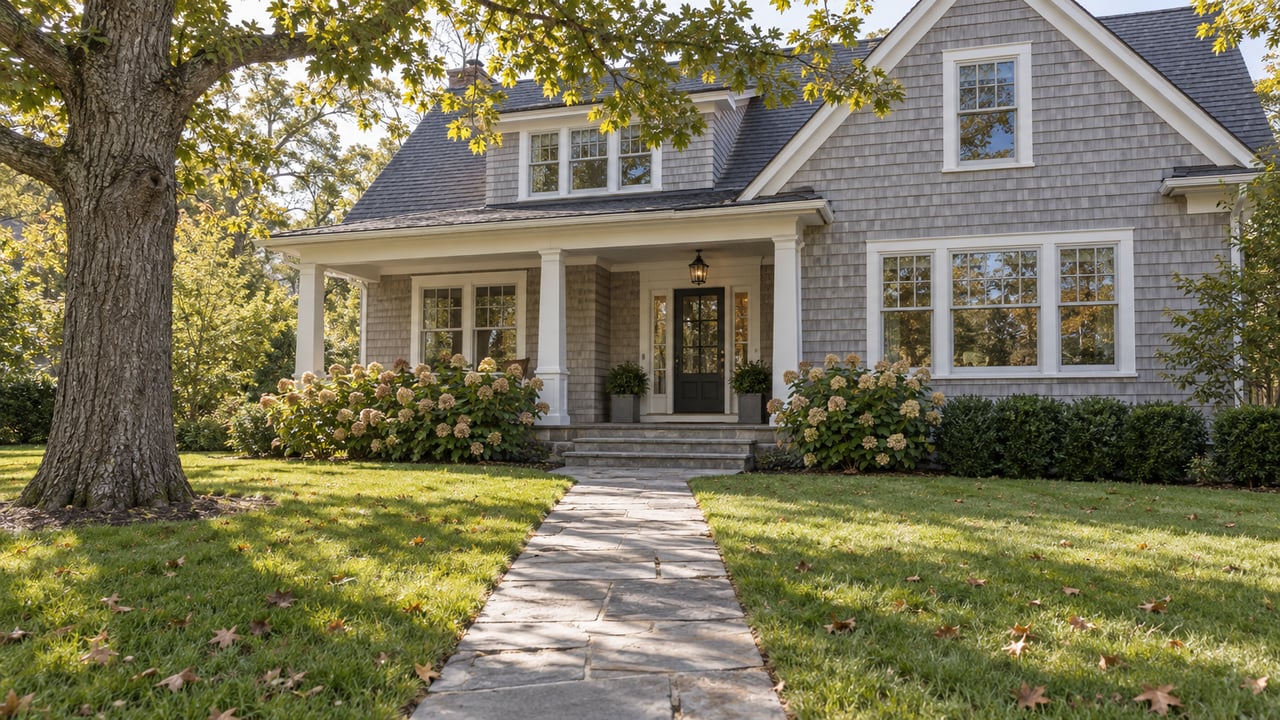
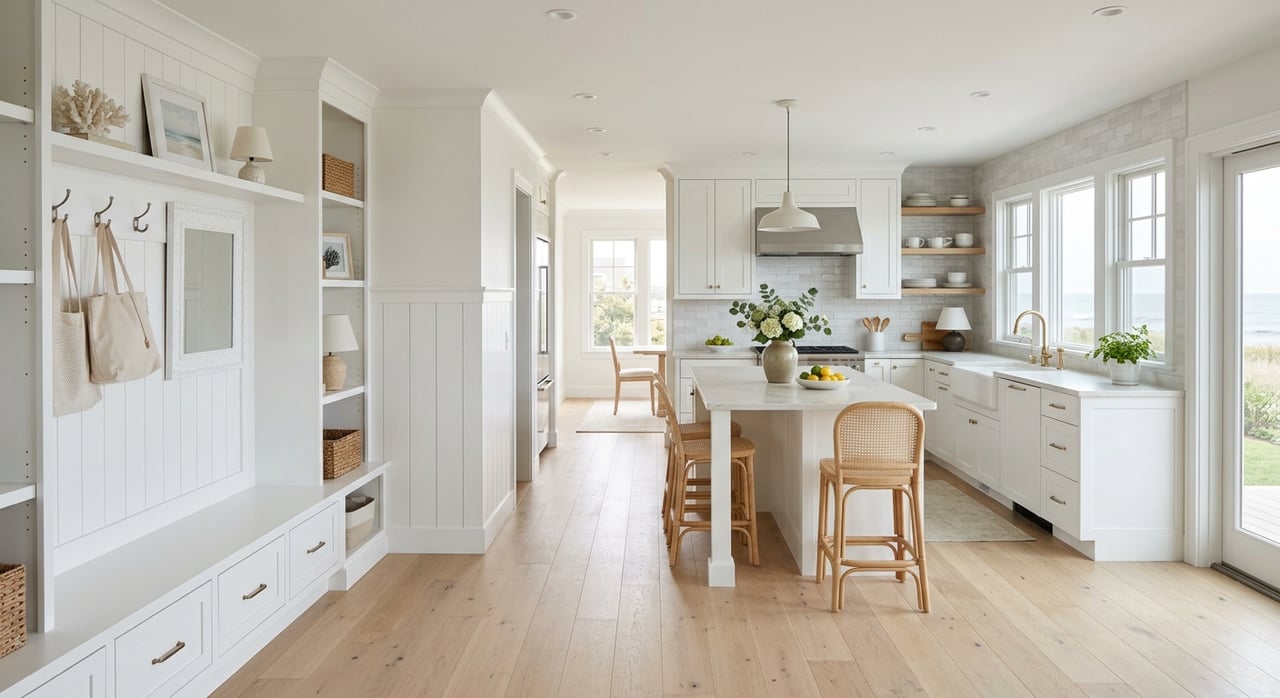
Wondering if you can enjoy Cape Cod living without spending every weekend on yard work, snow removal, or constant home upkeep? If you are planning a move in Barnstable, that question matters more than ever, especially if you want a simpler day-to-day routine without giving up character, convenience, or access to the villages you love. The good news is that Barnstable offers several paths to lower-maintenance living, and each comes with its own tradeoffs. Here’s how to think through condos, cottages, and other easier-care options in Barnstable so you can choose with confidence.
Why Barnstable Fits Low-Maintenance Buyers
Barnstable is made up of seven villages: Barnstable, Centerville, Cotuit, Hyannis, Marstons Mills, Osterville, and West Barnstable. Town planning continues to treat these village identities as an important part of how land use and daily life are organized.
For buyers who want lower-maintenance living, one of the biggest differences is whether you are in a denser village setting or a more spread-out residential area. In general, village centers can offer easier access to services and errands, while homes farther out may come with more driving and more hands-on property care.
Condos Often Offer the Simplest Upkeep
If your goal is to reduce exterior maintenance, condos are usually the clearest fit. In Massachusetts, condominiums are privately owned and governed by their master deed, bylaws, deed terms, and Chapter 183A, which means the documents behind the property are just as important as the layout and finishes.
That matters because two condos that look similar on the surface can operate very differently. One association may handle landscaping, snow removal, roof work, siding, and common-area insurance, while another may cover much less.
What to review before buying a condo
Before you buy, make sure you understand exactly how the association works. Massachusetts guidance says association records may include the master deed, bylaws and amendments, meeting minutes, financial records, contracts, and insurance policies.
You will also want to look closely at reserves and any chance of special assessments. A condo can feel low-maintenance in daily life, but it may not feel low-stress if the association is underfunded or major repairs are coming soon.
Townhome-style homes need the same review
Townhome-style properties often fall into the same category if an association maintains exterior items like roofs, siding, snow removal, or shared landscaping. Even if the home feels more like a single-family residence, the real question is still the same: who is responsible for what?
That is one of the most important questions in a Barnstable low-maintenance search. It shapes your monthly costs, your repair obligations, and your long-term peace of mind.
Cottages and Small Homes Can Work Too
A condo is not the only path to simpler living. Smaller cottages and compact single-family homes can also make sense if you want a lighter ownership experience but still prefer more privacy or fewer shared rules.
In that case, the best fit is often a modest lot in a location that helps reduce both outdoor work and driving. You may still be responsible for more upkeep than in a condo, but a smaller footprint can make that responsibility much easier to manage.
Village locations can make daily life easier
Barnstable Village is the town’s oldest village and is known for its historic Old King’s Highway and Route 6A character. Osterville is described by the town as having a convenient village center.
For many rightsizers, settings like these can be appealing because they offer Cape character in a more manageable format. The home itself may be small, but the location can add convenience that helps simplify everyday living.
Hyannis Stands Out for Convenience
If convenience is high on your list, downtown Hyannis deserves close attention. Current town planning highlights Hyannis as the clearest example of a compact, walkable setting that supports residential and mixed-use development.
The town’s Great Streets project is focused on improving safety, walkability, livability, and multimodal circulation. For buyers who want to rely less on a car, that kind of planning can make a meaningful difference.
Why Hyannis may appeal to rightsizers
Hyannis is Barnstable’s central business and commercial district, and it also serves as a transportation hub. Town parking options are described as a short stroll from shopping, dining, and family activities, which supports a more convenient daily routine.
CCRTA routes also connect downtown Hyannis with Barnstable Courthouse, Barnstable Village, Centerville, Osterville, Cotuit, and Marstons Mills. Fixed-route bus service is currently free for all users, which may matter if you want more flexibility without driving everywhere.
Sewer, Septic, and Utility Questions Matter
Low-maintenance living is not only about the size of the home. It is also about the systems behind it.
Hyannis has public sewer and water in the downtown growth area. A town overview also notes that public sewer served only 16.6% of Barnstable and was concentrated in Hyannis, Barnstable Village, and industrial areas, so sewer or septic status is something to confirm early in your search.
Why this affects maintenance planning
In sewered parts of town, some infrastructure responsibility shifts away from the owner. Outside those areas, buyers should confirm septic status, water source, and whether any association is responsible for shared systems or exterior maintenance.
This is one reason a home that looks simple on day one may not always be simple in practice. Ongoing care depends on more than square footage alone.
Budgeting Beyond the Mortgage
A lower-maintenance home should also be evaluated through the lens of carrying costs. In Barnstable, those costs can vary based on property taxes, fire-district taxes, insurance, utilities, and association fees.
For FY26, Barnstable set a residential factor of 1 and a single town tax rate of $5.96 per $1,000 of valuation. The town also adopted a 25% residential exemption for qualifying principal residences, with an exemption value of $229,174 based on an average residential parcel value of $916,696.
Fire-district taxes can vary by village
Barnstable has five fire districts, each with its own tax rate and governance structure. The FY26 residential fire-district rates listed by the town are:
- Hyannis: $2.40 per $1,000
- Barnstable: $2.11 per $1,000
- West Barnstable: $1.93 per $1,000
- Cotuit: $1.23 per $1,000
- COMM: $1.16 per $1,000
That means two properties with similar prices can still have different ongoing tax bills depending on location. When you compare villages, it helps to look at the full monthly picture rather than focusing only on sale price.
Insurance Needs a Close Look on Cape Cod
Because Barnstable is a coastal market, insurance deserves special attention. Massachusetts states that a standard homeowners policy does not cover flood damage, and flood insurance is available for both homes and condominiums.
For condo owners, your unit policy must cover what the association’s master policy does not. If a property is in or near a flood-prone area, flood coverage should be part of your monthly cost planning from the start.
Professional review matters here
Condo-law and insurance questions are highly document-specific. Massachusetts directs buyers with condo questions to a real estate attorney and insurance questions to an insurance professional.
That is especially important in a market like Barnstable, where location, flood risk, and association structure can all affect your true cost of ownership. A calm, well-organized review upfront can help you avoid surprises later.
Questions to Ask Before You Buy
If you are comparing condos, cottages, or compact homes in Barnstable, these are some of the most useful questions to ask early:
- What does the association fee actually cover?
- Are there pending special assessments?
- How strong are the reserves?
- Is the property on town sewer or septic?
- If this will be your primary home, do you qualify for Barnstable’s residential exemption?
- Is flood insurance needed, recommended, or lender-required?
- How easy is it to get around by foot, bike, parking access, or CCRTA service?
These questions can help you move past surface appeal and focus on what day-to-day ownership will really feel like.
Choosing the Right Low-Maintenance Fit
The best low-maintenance option in Barnstable depends on what you want to simplify. For some buyers, that means a condo with exterior maintenance handled by an association. For others, it means a smaller single-family home in a village setting where errands, dining, and everyday routines feel easier.
There is no one-size-fits-all answer, especially across Barnstable’s distinct villages. What matters most is understanding the tradeoffs clearly, from upkeep and insurance to taxes, sewer status, and location convenience.
If you are weighing a move in Barnstable and want thoughtful local guidance on village differences, carrying costs, and the details that shape easy ownership, Erica Kuenzel can help you sort through the options with a calm, informed approach.
FAQs
What does low-maintenance living in Barnstable usually mean?
- In Barnstable, low-maintenance living often means choosing a condo, townhome-style property, or smaller home with less exterior upkeep, a manageable lot, and a location that makes daily errands easier.
Are condos in Barnstable easier to own than single-family homes?
- They can be, especially when the association handles items like landscaping, snow removal, roofing, or siding, but you need to review the master deed, bylaws, finances, and insurance details carefully.
Is Hyannis a good place to look for convenient living in Barnstable?
- Hyannis stands out as Barnstable’s central business district and transportation hub, with planning focused on walkability, mixed-use growth, parking access, and CCRTA connections to several villages.
Should Barnstable buyers check sewer or septic status early?
- Yes. Public sewer service is concentrated in certain parts of town, including Hyannis and Barnstable Village, so confirming sewer or septic status early can help you understand maintenance and utility responsibilities.
How do Barnstable taxes affect low-maintenance housing costs?
- In addition to the town tax rate, carrying costs may include village fire-district taxes, which vary by district, so two similar homes can have different ongoing costs depending on where they are located.
Do Barnstable condo and cottage buyers need to think about flood insurance?
- Yes. Standard homeowners insurance does not cover flood damage, so if a property is in or near a flood-prone area, flood coverage should be reviewed as part of your monthly ownership budget.