Looking for a part of Cape Cod that feels peaceful and grounded, but still keeps you connected? West Barnstable stands out for exactly that balance. If you want more land, a quieter setting, and a sense of local history without feeling far removed, this village is worth a closer look. Let’s dive in.
Why West Barnstable Feels Different
West Barnstable has a distinct identity within the Town of Barnstable. It was the second area of Barnstable settled by colonists after Barnstable Village, and its historic center grew around the West Parish Meetinghouse at Meetinghouse Way and Cedar Street.
Over time, the village evolved from an agricultural area of farmhouses, barns, and outbuildings along Route 6A into a place that also grew around the railroad station after 1854. Even with that growth, town planning documents still describe West Barnstable as having a largely rural profile.
That history still shapes how the village feels today. You can see it in the older homes, the open land, and the way the village has held onto its traditional New England character.
Route 6A Shapes the Village
Route 6A is one of the defining features of West Barnstable. Known as the historic Old King’s Highway, it began as a Native American trail, later became an early east-west route for settlers, and now runs through America’s largest historic district.
The route was designated a National Scenic Byway in 2021, which adds another layer to its importance. In West Barnstable, local zoning and planning are designed to preserve the traditional scale and character associated with this corridor.
For you as a buyer, that often translates to a setting that feels established rather than overbuilt. For sellers, it helps explain why the village has such a recognizable and lasting sense of place.
Space Is a Real Feature Here
One of the strongest reasons people look to West Barnstable is simple: space. This is a village where land matters, and the pattern of development reflects that.
The town has permanently protected 1,114 acres in the West Barnstable Conservation Lands. In addition, substantial parts of the Great Marshes and Sandy Neck are town-owned conservation lands totaling 3,790 acres.
A town conservation report also describes the West Barnstable Conservation Area as offering two square miles of contiguous conservation and public open space in an accessible location near a major highway. That combination is unusual. You get meaningful open space while still having practical regional access.
What Larger Lots Mean for Buyers
West Barnstable does not have public water, so homes rely on private wells and septic systems. To help protect groundwater, private wells, and the Great Marshes, the town increased the minimum residential lot size to two acres in 2000.
That policy helps explain the village’s low-density feel. While there are some one-acre grid subdivisions from later development periods and some cluster development in hillier areas, the broader pattern is still land-oriented rather than densely built.
If you are comparing villages, this is an important lifestyle distinction. In West Barnstable, you may be trading walk-to-everything convenience for more privacy, more natural surroundings, and more breathing room around the home.
Housing Character in West Barnstable
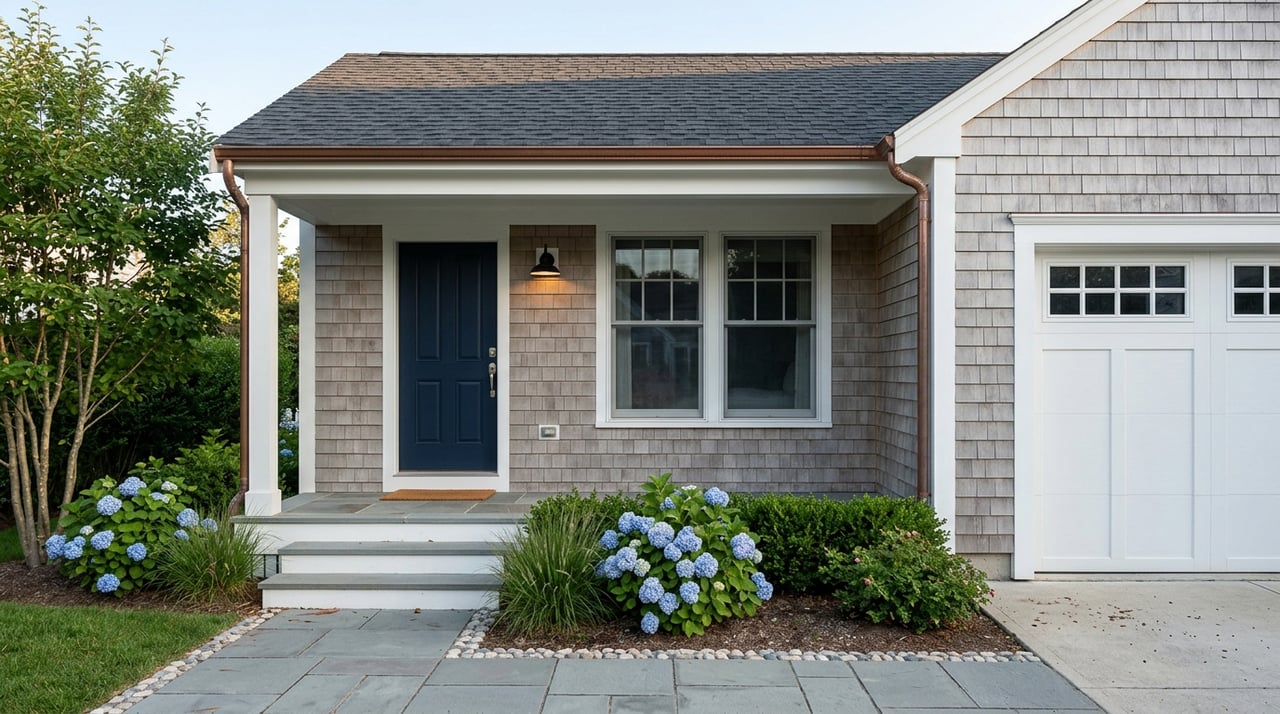
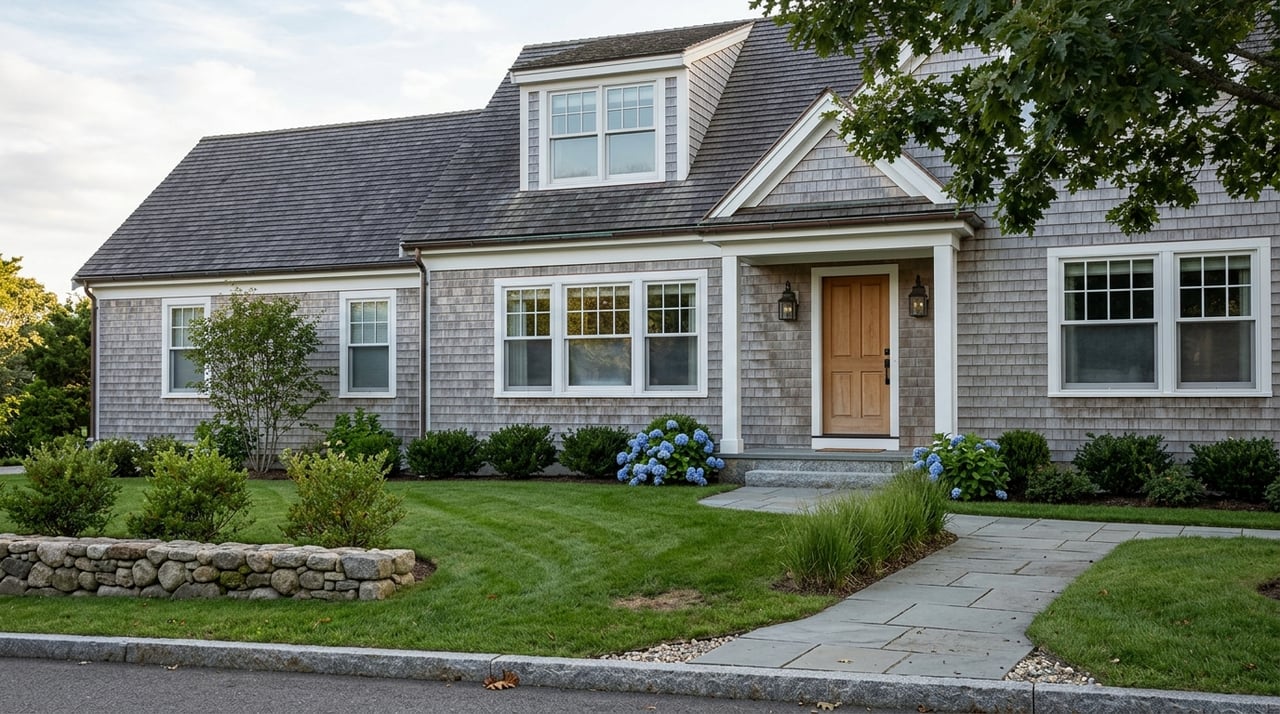
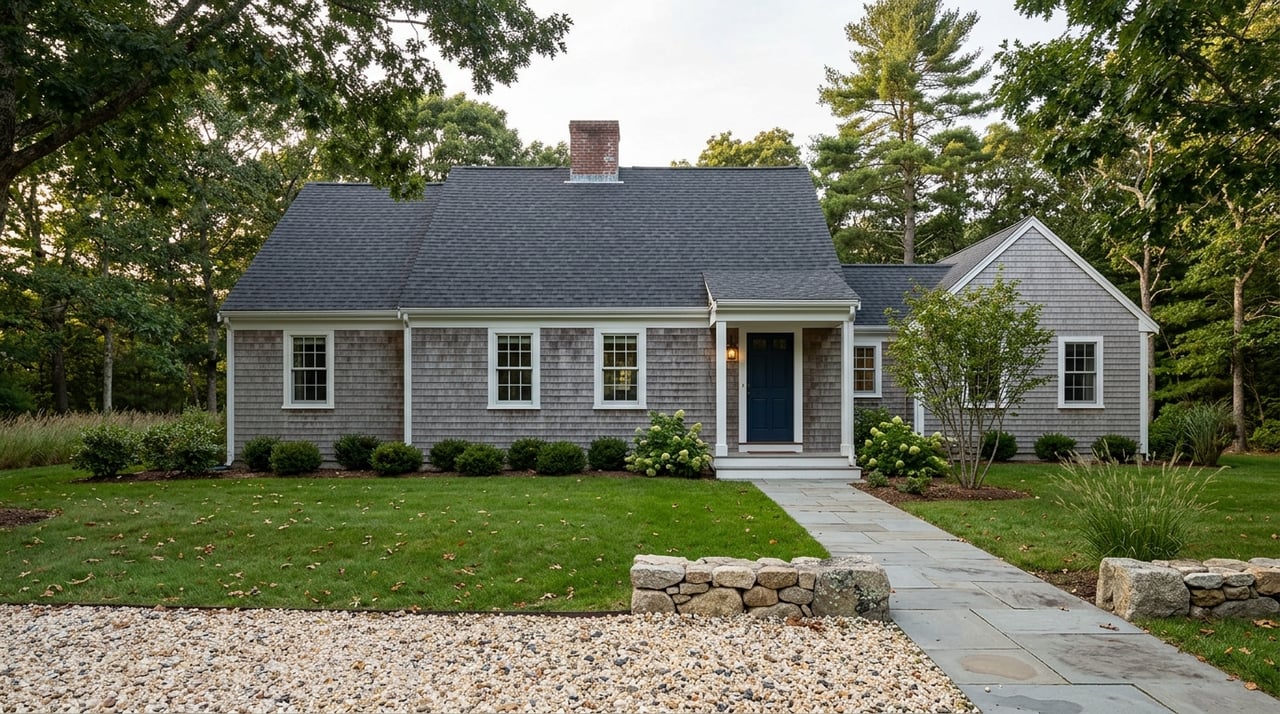
The built character in West Barnstable is closely tied to older Cape Cod architecture. Town planning materials describe historic buildings here as typically Cape Cod-style farmhouses and outbuildings with simple lines.
The Meetinghouse Way Historic District includes 26 main buildings and 40 outbuildings dating from 1717 to 1920. Open pastures, stone walls, and historic farm settings remain an important part of the village character.
That does not mean everything is antique. Newer construction exists, but local zoning in the West Barnstable Village Business District is written to preserve traditional village character and align with the Old Kings Highway Regional Historic District framework.
A Small-Scale, Lived-In Setting
Another appealing part of West Barnstable is that it does not read like a strip-commercial area. The village business district allows a limited mix of small-scale uses such as accessory apartments, bed-and-breakfasts, and artisan or craft uses under district rules.
The village plan also notes that small arts-and-crafts businesses cluster near the railroad station and along Route 6A. That mix gives the area a lived-in, local feel while keeping the overall tone residential and rural.
For buyers, this can make the village feel more textured and authentic. For sellers, it supports a lifestyle story that goes beyond the house itself.
Everyday Access Still Works
A quieter setting does not mean West Barnstable is cut off. Route 6 runs through the village’s moraine landscape, and Route 149, also known as Meetinghouse Way, anchors the historic station area.
Town trail materials also place Cape Cod Community College access at Exit 68N off Route 6. Together, those routes help connect West Barnstable to the rest of the Cape while allowing the village itself to remain low-key.
This is often a strong fit if you want a home base that feels calmer day to day but still makes regional travel manageable. That balance is part of West Barnstable’s appeal.
Outdoor Living Is Central Here
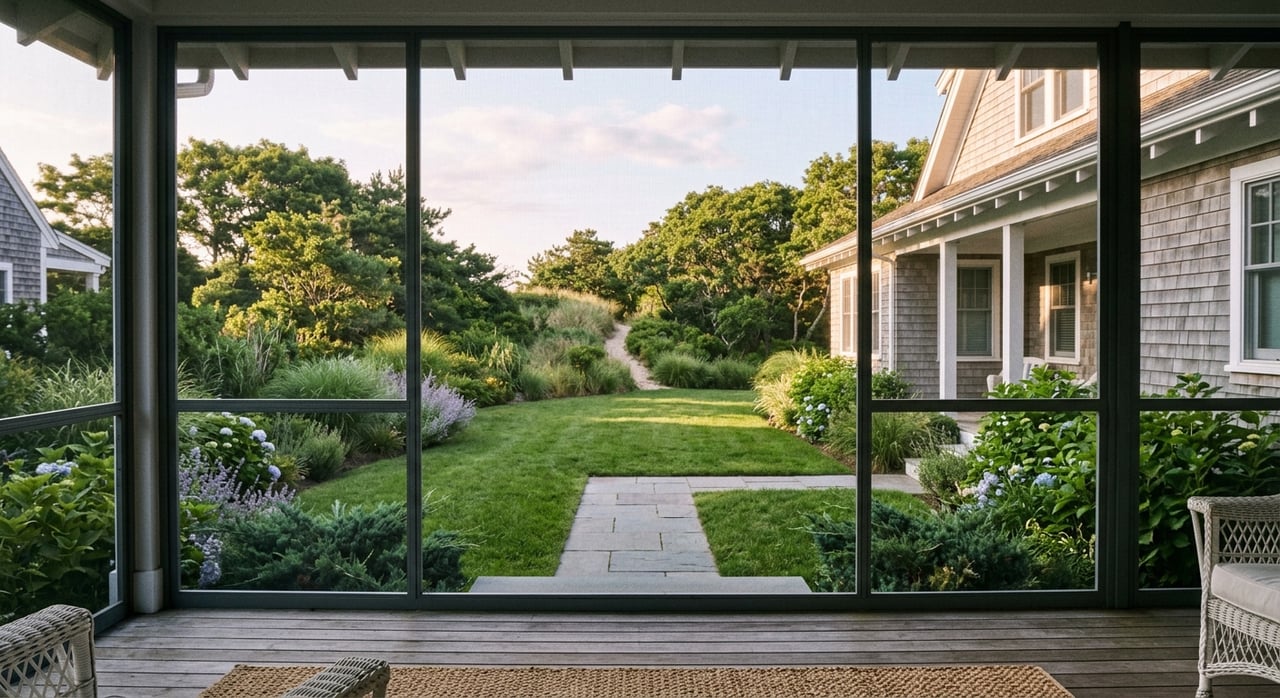
If you value trails, marsh views, woods, and protected coastal landscapes, West Barnstable has a lot to offer. The West Barnstable Conservation Area includes a route of more than 3 miles that the town describes as easy and defined by woods and wetlands.
Sandy Neck Beach Park adds another major outdoor resource nearby. It is a 4,700-acre barrier beach system with dunes, maritime forests, and marshes.
The town also describes Sandy Neck as an Area of Critical Environmental Concern and a Cultural Historical District because of its natural resources and its historic dune shacks, cottages, and lighthouse. For many buyers, this kind of access is a major part of the lifestyle value.
A Village With Year-Round Roots
West Barnstable offers more than scenery. It also has civic landmarks that reinforce the sense of a real year-round community.
The West Barnstable Train Station is listed on the State Register and the National Register of Historic Places. It serves summer excursion trains and houses the Cape Cod Chapter of the National Railway Historical Society.
The West Barnstable Community Building, renovated in 2021, is used for polling, forums, and local meetings. Historically, town planning materials described West Barnstable as predominantly year-round, with only 5% seasonal homes in the 1990 census.
Is West Barnstable Right for You?
West Barnstable tends to appeal to buyers who want to trade density for land, quiet, and a more historic atmosphere. It is especially worth considering if you are drawn to older Cape Cod homes, larger lots, conservation land, and a setting that feels tucked away without being disconnected.
It can also be a smart village to watch if you value character that is supported by local planning. The preservation focus along Route 6A, the two-acre lot pattern, and the large amount of protected land all help shape a setting that feels consistent over time.
For sellers, those same qualities can be powerful when positioning a home. Space, privacy, architectural character, and access to trails and Sandy Neck are all meaningful parts of the West Barnstable story.
If you are thinking about buying or selling in West Barnstable, a local strategy matters. From understanding how land, wells, septic systems, and village character affect value to presenting a home in a way that matches what buyers are looking for, working with a calm, knowledgeable guide can make the process feel much clearer. Erica Kuenzel offers thoughtful Cape Cod insight, polished presentation, and steady support tailored to your goals.
FAQs
What is West Barnstable known for?
- West Barnstable is known for its rural character, older Cape Cod-style homes, Route 6A history, larger lots, and extensive conservation land including access to Sandy Neck and the West Barnstable Conservation Area.
What kind of homes are common in West Barnstable?
- Town planning documents describe many historic homes in West Barnstable as simple Cape Cod-style farmhouses with outbuildings, while newer homes generally follow the area’s traditional village character.
Do West Barnstable homes have town water and sewer?
- West Barnstable does not have a public water supply, so homes rely on private wells and septic systems.
Why do lots in West Barnstable often feel larger?
- The town increased the minimum residential lot size to two acres in 2000 to help protect groundwater, private wells, and the Great Marshes, which contributes to the village’s low-density feel.
Is West Barnstable convenient for commuting around Cape Cod?
- West Barnstable offers regional access through Route 6, Route 6A, and Route 149 while still maintaining a quieter, semi-rural setting.
What outdoor amenities are near West Barnstable?
- West Barnstable offers access to the West Barnstable Conservation Area, which includes easy trail routes through woods and wetlands, and nearby Sandy Neck Beach Park, a 4,700-acre barrier beach system.